
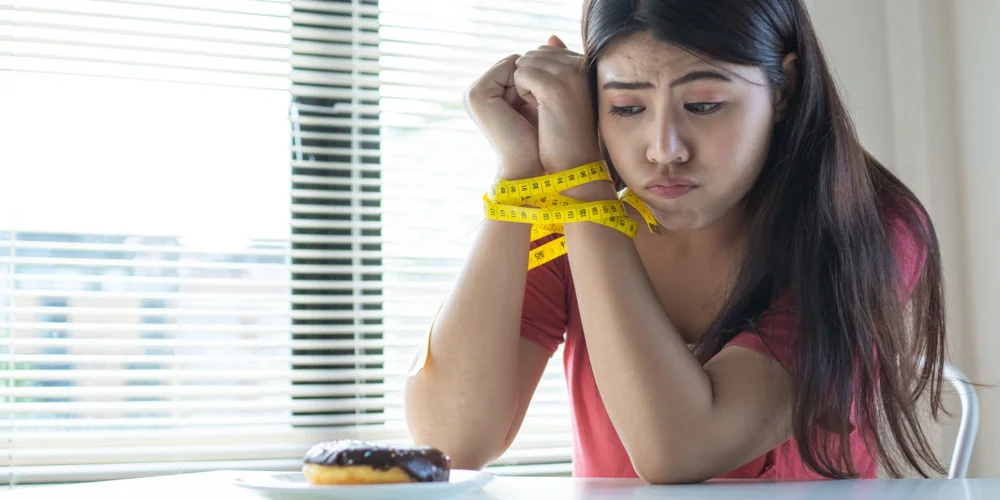
When “Discipline” Is Actually Self-Destruction
Eating disorders are often treated like a niche problem for teenage girls, as if it’s all about vanity and beach bodies. That stereotype is lazy and dangerous. Eating disorders affect men and women, adults and teens, athletes and office workers, people in wealthy suburbs and people in households where food insecurity is real. They also kill. Not always quickly, sometimes slowly, through heart strain, organ damage, chronic malnutrition, electrolyte imbalance, self-harm, and suicide risk that rises when someone feels trapped in their own head.
The reason they’re so hard to spot is that our culture rewards the early signs. Weight loss gets compliments. “Clean eating” gets praised. Fasting gets marketed as optimisation. Over-exercising gets called dedication. People don’t ask whether the behaviour is healthy, they ask whether it’s impressive. And in a world obsessed with image, impressive becomes a drug.
If you work in addiction long enough, you start recognising the same mechanics in eating disorders. Obsession. Ritual. Secrecy. Control. Relief. Shame. Escalation. The substance is not always alcohol or drugs, sometimes the substance is control itself, the high of hunger, the numb of restriction, the ritual of purging, the temporary calm after compulsive exercise. The behaviour becomes the coping strategy, then the coping strategy becomes the prison.
This article is about what eating disorders actually are, why image culture makes them worse, and why families need to stop treating them as a phase or a personality trait.
It’s not about food
Food is the battlefield, but it’s rarely the real war. Eating disorders are often about control, identity, self-worth, and emotional regulation. Someone feels overwhelmed or unsafe, and controlling food becomes the one place they can feel powerful. Someone feels numb or depressed, and hunger becomes a feeling they can control. Someone feels ashamed, and weight loss becomes a way to earn approval. Someone feels out of control, and rituals become a way to create certainty.
This is why telling someone to “just eat” is useless. It’s like telling an alcoholic to “just stop drinking.” The behaviour is doing a job in the person’s nervous system. It’s reducing anxiety. It’s creating structure. It’s providing relief. Remove it without replacing that function and the person feels exposed and panicked.
Eating disorders also exist on a spectrum. Not everyone looks skeletal. Many people are medically compromised at “normal” weights. Some people swing between restriction and bingeing. Some purge. Some over-exercise. Some fixate on “clean eating” so rigidly that their life shrinks. The shape of the disorder can change, but the obsession and compulsion often remain consistent.
When the disorder hides behind “health”
One of the biggest dangers today is that eating disorders can hide behind wellness language. People talk about inflammation, gut health, detoxing, clean eating, and “discipline.” Some of that language is legitimate in certain medical contexts. But for someone with a vulnerable brain, it becomes a mask for restriction.
The problem is not that someone wants to eat better. The problem is rigidity. When food becomes moral, good and bad, clean and dirty, safe and unsafe, the person starts living in fear. When they break a rule, they feel shame. Shame triggers more restriction or purging. The cycle strengthens.
Families often miss this because it looks like responsibility. The person seems “healthy.” They’re praised. They’re admired. That praise becomes reinforcement. It is hard to recover when your disorder is being celebrated.
Anorexia, bulimia, binge eating, and the reality of overlap
Labels matter for diagnosis, but families should focus more on patterns. Anorexia often involves restriction, fear of weight gain, and distorted self-perception. Bulimia often involves bingeing followed by compensatory behaviour like vomiting, laxatives, fasting, or excessive exercise. Binge eating disorder involves repeated binge episodes often linked to shame and emotional distress, without the same compensatory behaviours, though some people still restrict afterwards.
In real life, people shift between patterns. Someone may restrict for weeks then binge. Someone may purge sometimes and not others. Someone may present as “fine” but be obsessing constantly. Eating disorders are not clean categories. They are messy coping strategies that evolve.
The biggest common thread is that food and body become the way the person tries to manage emotions and identity. The behaviour becomes compulsory, not casual.
The addiction mirror
The parallels are not theoretical. They’re practical. You see tolerance, the person needs more restriction or more exercise to feel the same relief. You see ritual, same routines, same rules, same behaviours that reduce anxiety. You see secrecy, hiding wrappers, hiding vomit, lying about meals, eating alone, skipping events to avoid food. You see mood dependence, if they “ate well,” they feel calm, if they “ate badly,” they feel shame and panic. You see withdrawal-like effects, irritability, anxiety, obsession when the behaviour is blocked.
Families often respond to eating disorders with moral language, just eat, stop being dramatic, you look fine, you’re doing it for attention. That language increases shame and secrecy. Shame is rocket fuel for compulsive behaviour. It drives the person deeper into the pattern that numbs them.
This is why treatment needs to be serious and structured. Eating disorders are not a diet issue. They are a mental health and behavioural condition with medical risk.
The role of social media
People talk about social media as if it only creates insecurity. It does more than that. It can teach behaviour. Fasting protocols, calorie hacks, “what I eat in a day,” gym routines, body checks, supplement stacks, appetite suppressing tricks. For a vulnerable person, this is a manual.
It also creates a feedback loop. Post a “transformation,” get praise. Post gym content, get validation. Post a thin body, get attention. The brain learns that shrinking is rewarded. That reward can become addictive in itself, especially for someone who feels unseen or powerless in other areas.
The worst part is that the obsession can look socially acceptable. People will cheer on dangerous weight loss and call it motivation. The person will feel like recovery is failure because recovery might mean weight restoration or reduced control. They fear losing the identity they built around being “disciplined.”
Treatment that actually help
Effective treatment usually requires a combination of medical monitoring, nutritional rehabilitation with professional guidance, psychological therapy that targets the underlying drivers, and family involvement where relevant. It also often includes working on perfectionism, control needs, anxiety management, trauma processing when appropriate, and building a life that isn’t organised around food rules.
For some people, outpatient support is enough. For others, the risk is too high and a more structured setting is needed. The deciding factor is not comfort or convenience. It’s medical stability, severity of behaviours, honesty, and the ability to follow a plan without constant negotiation. Families should also expect resistance. The disorder will fight back because it believes it’s protecting the person. Treatment has to be firm without being cruel.
Eating disorders thrive in an image-obsessed world because the early warning signs get praised as discipline. But behind that discipline is often fear, obsession, and a brain using control to survive emotional distress. These disorders mirror addiction in the way they hijack routine, identity, and relief-seeking behaviour. If you treat it like vanity or a phase, you give it time to deepen. If you treat it like a serious mental health condition with medical risk, you give the person a chance to stabilise, rebuild trust with their own body, and live without a daily war disguised as “health.”